Maintenance
Atlanta Humidity Is Hard on Appliances: A Seasonal Maintenance Checklist
Hot, humid summers, thunderstorms and ice storms wear on metro Atlanta appliances. A sourced seasonal checklist for fridges, laundry, dishwashers and ranges.
By Atlanta Appliance Techs · Published · Updated · 8 min read
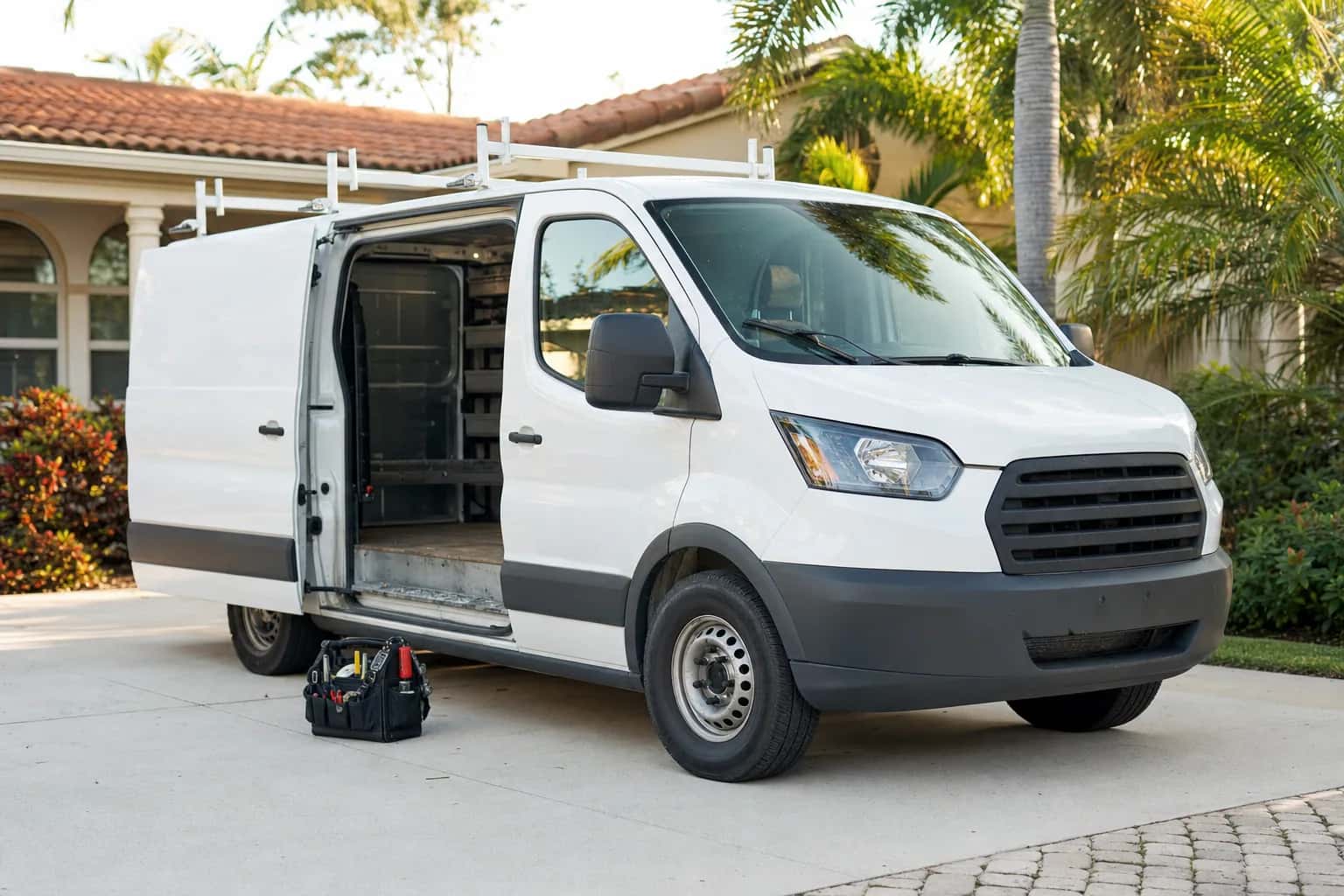
Appliances in Metro Atlanta work through long, hot, humid summers, and thunderstorms in summer and the occasional ice storm in winter add outages and power surges to the mix. The fixes are simple and mostly free: keep refrigerator coils clean, let front-load washers dry out between loads, keep dryer vents clear, give garage appliances shade and keep them dry, and plug major appliances straight into the wall. Here is the full checklist, appliance by appliance, with a calendar at the end.
Quick answer: what Atlanta summers do to appliances
| Symptom | Likely cause | Safe to check yourself? | Typical fix |
|---|---|---|---|
| Front-load washer smells musty | Moisture and detergent residue trapped in the door seal, drawer or pump filter | Yes: wipe the seal, clean the drawer and pump filter (unplugged) | Clean-out cycle, then leave the door and drawer open between loads |
| Refrigerator runs constantly, food not cold enough | Dusty condenser coils or a worn door gasket letting humid air in | Yes: clean the coils, test the gasket with a dollar bill | Clean coils; replace a gasket that will not seal |
| Clothes take two cycles to dry | Lint-clogged vent duct or a stuck outside flap | Yes: clean the lint screen, watch the outside flap while the dryer runs | Vent cleaning; repair only if the vent is clear |
| Spots and film on dishes | An empty rinse aid dispenser or a clogged filter | Yes: check the rinse aid level and clean the filter | Rinse aid and a clean filter |
| Rust spots on a finish in a garage or laundry room | Moisture sitting on metal | Yes: look at door edges, handles and lower panels | Wipe and dry; have rust on brackets or the cabinet bottom checked |
| Dead display or a code after a thunderstorm | Surge-damaged control board | Yes: one-minute power reset at the breaker | Board test and replacement if the reset fails |
Why humidity matters
Atlanta summers are long and warm: the National Weather Service office for Atlanta lists the city's normal July average temperature, day and night together, as 80.9°F. Warm air holds more moisture, and humid outdoor air pushes indoor levels up quickly whenever the house is opened up or the air conditioning is off.
The EPA recommends keeping indoor humidity below 60%, ideally between 30% and 50%, and using air conditioning or a dehumidifier when needed. Above that range, mold has an easier time, and ENERGY STAR notes that humidity above 30% to 50% may promote mold growth. That matters for appliances because the places mold grows in a kitchen and laundry room are the places water sits: the folds of a washer door seal, a dishwasher filter, the drip pan under a refrigerator. Running the air conditioning, using the range hood while you cook, and venting the dryer outdoors all keep that moisture down.
Refrigerators and freezers
- Keep the condenser coils clean. Dust sticks to coils, and a coated condenser makes the compressor run hot and long. Clean them regularly, and more often for a garage refrigerator or a home with pets. ENERGY STAR specifically advises keeping the coils clean on older models.
- Check the door gaskets. Close the door on a dollar bill; if it slides out with no drag, the gasket is not sealing. Humid air that leaks in condenses and freezes on the evaporator, which can lead to the classic freezer-cold, fridge-warm failure described in refrigerator not cooling but freezer works.
- Give garage units shade and clearance. A refrigerator or freezer in a hot garage works at its limit all summer. Keep it out of direct sun with a few inches of clearance on every side the manual calls for.
- Wipe the drip pan. If your model has a removable drain pan underneath, clean it when you clean the coils so standing water does not turn into odor.
Washers
Front-loaders get the worst of the humidity because the door seals tight and the rubber boot holds a little water in its folds. According to Samsung, moisture or leftover detergent trapped in a dark place may promote mold and mildew. The fix is to let the washer dry: leave the lid or door open after washing, and the detergent drawer too.
- Leave the door and drawer open between loads. If you have small children or pets, keep the laundry room door closed instead.
- Clean the pump filter on a schedule. A filter that is not cleaned regularly causes odors, and it is also where coins and hair pins end up.
- Use HE detergent, and less of it. Residue that does not rinse away is food for mildew.
- Check the fill hoses once a year for bulges, cracks or rust at the fittings, and consider braided stainless hoses. A burst hose can flood a room quickly.
If the smell has already set in, our guide to a washer that smells like mildew walks through a full clean-out. A seal that is torn, a pump that will not drain or a door lock that fails after years of damp is a job for front-load washer repair, and you get a written price before any work starts.
Dryers
The U.S. Fire Administration reports that failure to clean was the leading factor contributing to home clothes dryer fires from 2018 to 2020.
- Clean the lint screen every load.
- Have the vent duct cleaned regularly. Attic and roof vent runs collect lint faster and cannot be checked from the laundry room.
- Watch the outside flap. If it does not open freely while the dryer runs, the duct is restricted.
- Know the warning signs. Longer than normal dry times are the most common sign of a restricted vent, and a dryer that feels very hot on the outside is another, according to Whirlpool's guide to a blocked or restricted dryer vent.
Venting matters for the house too: the EPA's moisture guide says to vent moisture-producing appliances, including clothes dryers, to the outside where possible. More in dryer takes forever to dry.
Dishwashers
Water hardness depends on your utility. The City of Atlanta treats surface water from the Chattahoochee River, and Gwinnett County's Department of Water Resources, which draws from Lake Lanier, lists an average total hardness of 1.34 grains per gallon, about 23 mg/L. The USGS classes anything from 0 to 60 mg/L as soft. Check your own utility's annual water quality report; if your water is soft and dishes still come out spotty, look at the rinse aid and the filter before blaming minerals.
- Keep the rinse aid filled. It helps water sheet off instead of drying into spots.
- Clean the filter regularly. Warm, damp kitchens grow biofilm quickly, and a clogged filter also hurts cleaning; see dishwasher not cleaning dishes.
- Leave the door cracked after a cycle so the tub can dry.
Damp garages and laundry rooms
Moisture is hard on metal finishes. Whirlpool's major appliance warranty, for example, excludes discoloration, rust or oxidation caused by corrosive environments, including high moisture or humidity. In plain terms, rust from a damp garage or laundry room is the owner's problem, not the manufacturer's, so prevention pays.
- Wipe exterior finishes with a damp cloth and dry them, paying attention to door edges, handles, hinges and lower kick panels where moisture collects. Use the cleaner your manufacturer recommends for stainless steel.
- Keep the laundry room dry. Run the air conditioning or a dehumidifier on muggy days, and make sure the dryer vents outdoors.
- Look behind and under the washer, dryer and refrigerator once a season for rust on brackets, screws and the cabinet bottom.
- Keep garage appliances off the floor and away from the garage door, where rain blows in during summer storms.
Ranges and cooktops
We repair gas, electric and induction ranges and cooktops. Keep spills off the elements and out of the controls, and wipe a glass cooktop once it cools so residue does not bake on in the humidity. On a gas cooktop, let the burner caps and heads dry fully after cleaning and put each back in its own position; a wet or clogged burner head clicks and will not light. Self-clean cycles run extremely hot, so use them sparingly; see oven door locked after self-clean.
Lightning, outages and surges
Ready.gov warns that power may return from an outage with momentary surges or spikes that can cause damage, and recommends turning off or disconnecting appliances and electronics while the power is out. Control boards are the usual casualty.
- Plug major appliances straight into the wall. The U.S. Fire Administration says to plug refrigerators, stoves, washers and dryers directly into a wall outlet and never to use an extension cord with a major appliance.
- Consider a whole-house surge protector at the panel, installed by a licensed electrician, as an extra layer of protection.
- After a storm, if an appliance is dead or showing a code, try a one-minute power reset at the breaker before calling. Our power outage guide has the full checklist and where to report an outage.
Storm season: summer thunderstorms and winter ice
Before a summer storm or a winter ice storm:
- Stock the freezer. USDA says a full freezer holds its temperature for about 48 hours, and a closed refrigerator keeps food safe for up to 4 hours. Fill empty freezer space with frozen jugs of water, and keep an appliance thermometer in each compartment.
- Keep the generator outside. CPSC says never to run a portable generator inside a home, garage, basement, crawlspace or shed, even with doors or windows open, and to keep it at least 20 feet from the house.
- Never use appliances that were under water until they have been inspected. A refrigerator or freezer submerged by floodwater, even partially, must be discarded, according to USDA.
A metro Atlanta maintenance calendar
| When | Refrigerator and freezer | Washer and dryer | Dishwasher | Whole house |
|---|---|---|---|---|
| Every use | Close doors fully | Clean the dryer lint screen; leave the washer door and drawer open | Crack the door after the cycle | Run the range hood while cooking |
| Monthly | Check that the gasket seals | Clean the washer pump filter; run a tub-clean cycle | Clean the filter; top up rinse aid | Check indoor humidity |
| Spring | Clean condenser coils | Check fill hoses | Look for leaks under the door | Wipe and dry finishes in the garage and laundry room |
| Late spring, before summer storms | Freeze water jugs; add thermometers | Make sure the dryer vent flap opens freely | Run it empty with a cleaner | Test CO alarms; review your outage plan |
| Fall | Clean coils again | Have the dryer vent duct cleaned | Check spray arms for scale | Check behind appliances for rust |
When something does fail
The diagnostic is $80 on standard appliances and $120 on built-in, double and combination ovens, and it is waived when you approve the repair. Labor is priced by appliance, from $180 plus parts for a garbage disposal to $180 for a refrigerator, with a written flat-rate estimate before any work begins and a 60-day parts-and-labor warranty. See our pricing.
Schedule a visit or read about our repair services. Prefer to talk? Call (470) 778-4087.
Sources
- EPA: A Brief Guide to Mold, Moisture and Your Home
- ENERGY STAR: Dehumidifiers
- National Weather Service Atlanta: July 2025 Climate Summary
- Samsung: Mold or mildew in your washer
- U.S. Fire Administration: Appliance and Electrical Fire Safety
- City of Atlanta Department of Watershed Management: Water Quality FAQs
- Gwinnett County Department of Water Resources: Drinking Water Quality
- USGS Water Science School: Hardness of Water
- Whirlpool: Major Appliance Limited Warranty (PDF)
- Ready.gov: Power Outages
How we write and check these guides: editorial policy. Spot an error? Email hello@atlantaappliancetechs.com.
About Atlanta Appliance Techs
Atlanta Appliance Techs is a locally owned appliance repair company serving Metro Atlanta. $80 diagnostic waived with the repair, 60-day parts-and-labor warranty, and gas, electric and induction appliances. More about us.